Picture this: You're scrolling through social media, seeing yet another success story of someone making $10,000 a month from their laptop. You want in, but there's one massive problem—your bank account is looking pretty empty right now.
Here's the truth that might surprise you: you can actually start a dropshipping business with absolutely zero dollars upfront. No inventory to buy, no warehouse to rent, and no hefty startup costs draining your savings.
In this guide, you'll discover exactly how to start dropshipping with no money in 2025. We're not talking about some pie-in-the-sky theory—these are proven, actionable steps that real entrepreneurs are using right now to launch profitable stores without spending a dime. Whether you're a broke college student, a full-time employee looking for a side hustle, or simply someone who wants to test the waters before diving in, this guide is for you.
Ready to turn zero dollars into your first online business? Let's get started.
Why Dropshipping is Perfect for a Zero-Budget Start
Before we dive into the how-to, let's talk about why dropshipping is genuinely the best business model when you're starting with no money.
Traditional retail businesses require massive upfront investments. You'd need to buy inventory, rent storage space, handle shipping logistics, and hope everything sells. If it doesn't? You're stuck with unsold products and mounting losses.
Dropshipping flips this model on its head. You only purchase items after customers pay you, which eliminates the financial risk of unsold inventory. When someone orders from your store, you simply forward that order to your supplier, who ships the product directly to your customer. You pocket the difference between what the customer paid and what you paid the supplier.
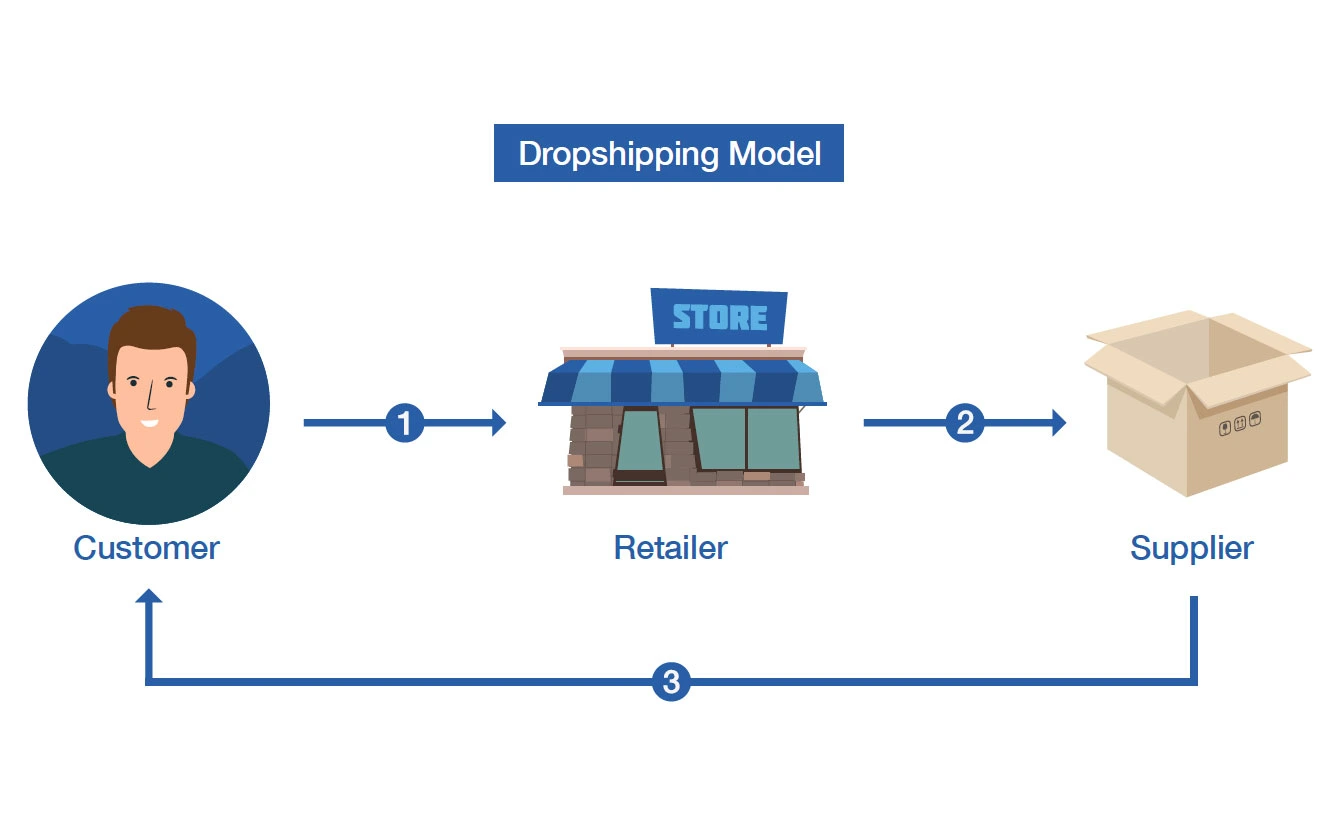
The numbers tell an exciting story too. The dropshipping market was valued at $354.78 billion in 2024 and is expected to grow at a rate of 26.1% annually, reaching nearly $2.3 trillion by 2032. Over 27% of online retailers now use dropshipping as their primary fulfillment method, and 38% of dropshipping store owners are Gen Z entrepreneurs.
Translation? The opportunity is massive, and you don't need money to grab your piece of it—you just need the right strategy.
Step 1: Choose Your Niche (Without Spending a Penny)
Your niche is everything in dropshipping, especially when you're starting with no budget. Without paid advertising to rely on, you need a niche that practically sells itself.
Here's what makes a winning zero-budget niche:
High demand, low competition - You want products people are actively searching for, but without thousands of established stores dominating the space. Look for gaps in the market where you can stand out.
Strong profit margins - Aim for products where you can mark up at least 40-50% after all costs. If you're selling $10 items for $12, you'll struggle to make meaningful profit.
Passionate audience - The best niches have communities built around them. Pet owners, fitness enthusiasts, hobbyists—these groups are actively looking for solutions and are willing to buy.
Evergreen appeal - While trending products can work, starting with items that have year-round demand gives you stability. Think kitchen gadgets, pet supplies, or wellness products rather than seasonal Halloween costumes.
Free Tools to Find Your Winning Niche:
Google Trends (100% free) - Type in product ideas and see search interest over time. Look for consistent demand or upward trends. You can compare multiple niches to see which has more potential.
Reddit communities - Search subreddits like r/Dropshipping or niche-specific forums. People openly discuss what they're looking for and what's selling well. It's like free market research from real potential customers.
Amazon Best Sellers - Browse the best-selling items in different categories. Pay attention to products with lots of reviews—that indicates strong demand.
TikTok & Instagram - Search hashtags related to potential niches. If you see videos with millions of views about certain products, you've found demand.
The key? Don't spend weeks overthinking this. Choose something that interests you personally—you'll be more motivated to push through challenges if you actually care about what you're selling.
Step 2: Find Reliable Free Dropshipping Suppliers
Your supplier is your silent business partner. Choose poorly, and you'll deal with angry customers, refunds, and terrible reviews. Choose wisely, and you've got a smooth operation.
The good news? Many suppliers and platforms offer zero-cost plans or no sign-up fees, making it possible to connect with quality suppliers without any upfront investment.
Top Free Supplier Options for 2025:
AliExpress - The giant of dropshipping suppliers. Millions of products, low prices, and incredibly low prices since most suppliers are based in China. The downside? Shipping times can be 2-4 weeks, so set customer expectations clearly.
CJDropshipping - Offers free membership and faster shipping options than AliExpress. They handle warehousing and can provide some products with US-based shipping, which dramatically improves delivery times.
DSers - A completely free tool that helps you find and manage AliExpress suppliers. It automates order processing and lets you manage multiple stores from one dashboard.
Printful (for print-on-demand) - If you're interested in custom products like t-shirts, mugs, or phone cases, Printful has no signup fees and only charges you when orders come in.
What to Look for in a Supplier:
When you're evaluating potential suppliers (which costs nothing but time), check these boxes:
- Positive ratings - Look for suppliers with 95%+ positive feedback
- Order volume - Higher order counts usually mean more reliable suppliers
- Communication - Send a message before committing. If they respond quickly and professionally, that's a good sign
- Product quality - Read reviews from other dropshippers carefully
- Shipping times - Be realistic about delivery expectations you'll set with customers
Pro tip: Never rely on just one supplier. If they run out of stock or have issues, you need backup options to keep your business running.
Step 3: Build Your Free Online Store
This is where your business comes to life. The platform you choose will be your digital storefront, so let's explore your best free options.
Platform Option 1: Marketplaces (Truly Free to Start)
Starting on established marketplaces is the easiest way to get started with zero money because they bring built-in traffic.
eBay - Free to create a store, and millions of users search eBay daily. You'll pay a small fee when items sell (around $0.99 per sale on the basic plan), but nothing upfront. The built-in audience means you can get sales without running ads.
Amazon - The individual seller plan is free to start, charging $0.99 per item sold. With Amazon's massive customer base, you can tap into organic traffic through smart product listings and SEO.
Etsy - Perfect for unique, handmade-looking, or niche products. It charges $0.20 per listing every quarter, which is minimal. Great for targeting specific audiences who shop on Etsy for special items.
Facebook Marketplace & TikTok Shop - Completely free to list products. TikTok Shop is particularly powerful for viral marketing since its algorithm can push your content to millions without any ad spend.
[Bold text: Image suggestion - Comparison table showing different platforms, their fees, pros and cons for zero-budget dropshipping]
Platform Option 2: Your Own Website (Free Trials & Plans)
If you want more control and the ability to build a brand (recommended for long-term success), these platforms offer ways to start for free:
Shopify - Offers a three-month trial for just $1 per month. That's essentially free for your first quarter. Shopify is the most popular dropshipping platform because it's user-friendly and has thousands of apps to automate your business.
Wix - Has free plans and affordable paid options. The catch? You can't accept payments on the free plan, so you'd need to upgrade once you're ready to make sales. Use the free plan to build and design everything first.
WooCommerce (WordPress) - Free plugin that turns a WordPress site into an e-commerce store. Requires a bit more technical knowledge but gives you complete control.
Setting Up Your Store Without Spending:
Use free themes - Every platform offers free store templates. They might not be as flashy as premium options, but they're professional enough to convert customers.
Create your logo with Canva - Canva is free and has templates specifically for logo design. It takes 10 minutes and looks professional.
Write your own product descriptions - Don't copy-paste from suppliers. Write unique, benefit-focused descriptions that speak to your target customer. This also helps with SEO.
Set up essential pages - Create an About Us page, shipping policy, return policy, and contact page. These build trust with potential customers.
Optimize for mobile - Most people shop on their phones. Make sure your store looks good on mobile devices.
The goal isn't perfection—it's getting your store live and functional. You can always improve it as you grow.
Step 4: Market Your Store with Zero-Dollar Strategies
Here's where most people get stuck. "How do I get customers without money for ads?"
The answer: organic marketing. It takes more effort than paid ads, but it's completely free and can be incredibly effective.
Social Media Content Marketing
Create content that provides value, entertains, or educates your target audience. This builds trust and attracts customers naturally.
TikTok - The gold mine for free exposure. Create short videos demonstrating your products, showing before-and-afters, or providing tips related to your niche. TikTok's algorithm can push your content to millions without any followers if it resonates with viewers.
Instagram Reels - Similar to TikTok, Reels get significant organic reach. Show your products in action, create lifestyle content, or share customer testimonials.
Facebook Groups - Join groups related to your niche. Don't spam—genuinely participate in conversations and subtly mention your products when relevant. Better yet, start your own group around your niche.
Pinterest - Underrated for dropshipping. Create pins linking to your products. People use Pinterest to discover and shop, making it perfect for driving traffic.
SEO (Search Engine Optimization)
When people search for products you sell, you want your store appearing in those results.
Keyword optimization - Use free tools like Google Keyword Planner or Ubersuggest to find what people are searching for. Include these keywords naturally in your product titles, descriptions, and blog posts.
Start a blog - Write helpful articles related to your products. If you sell fitness gear, write about workout routines. If you sell pet supplies, write about pet care tips. This drives long-term organic traffic.
Product descriptions matter - Write detailed, unique descriptions for each product. Search engines reward original, helpful content.
Email Marketing (Yes, It Can Be Free)
Many email marketing platforms offer free plans for small lists. Collect emails by offering a discount code or free guide. Then nurture those leads with valuable content and product promotions.
Build Partnerships
Reach out to micro-influencers in your niche. Many will promote your products in exchange for free items—no cash needed. Look for accounts with 1,000-10,000 engaged followers. They often have better engagement rates than bigger influencers anyway.
The key to free marketing: Consistency beats perfection. Post regularly, engage with your audience, and provide genuine value. Results won't happen overnight, but they will happen.
Step 5: Manage Orders and Reinvest Your First Profits
You've made your first sale—congratulations! Now what?
Fulfilling Orders the Free Way
Most dropshipping platforms and apps automate this process. When an order comes in:
- You receive the payment in your account
- You place the order with your supplier (paying the wholesale price)
- Your supplier ships directly to your customer
- You keep the profit margin
Tools like DSers sync order information automatically and process orders to AliExpress with just a few clicks.
The Reinvestment Strategy
Here's the critical part most beginners miss: your first profits should be reinvested back into your business.
Start with the free options we've discussed, but once money starts coming in, strategically upgrade:
- First $50-100: Upgrade to a paid Shopify plan or invest in a custom domain
- Next $100-200: Try small-budget Facebook or TikTok ads to test what works
- Ongoing profits: Invest in automation tools, better product photography, or expanded inventory options
This gradual approach lets you scale without risk. You're essentially using your customers' money to grow the business, not your own.
Common Challenges and How to Overcome Them
Let's be real—starting a dropshipping business with no money isn't all sunshine and rainbows. You'll face obstacles. Here's how to handle them:
Challenge 1: Long Shipping Times
Solution: Be transparent with customers. Clearly state shipping times on product pages. Consider finding suppliers with US or EU warehouses for faster delivery, even if it costs slightly more.
Challenge 2: Low Profit Margins Initially
Solution: Focus on value-added products where you can command higher prices. Bundle items together, or create a unique brand story that justifies premium pricing.
Challenge 3: Customer Service Without a Team
Solution: Set clear expectations about response times. Use autoresponders to acknowledge inquiries immediately. Most customer questions are repetitive—create an FAQ page that answers common concerns.
Challenge 4: Building Trust as a New Store
Solution: Add trust signals like customer reviews (you can start with product reviews from supplier sites), clear policies, and professional branding. Consider offering a satisfaction guarantee to reduce purchase anxiety.
Challenge 5: Standing Out from Competition
Solution: Don't try to compete on price alone—you'll lose. Instead, compete on value, customer experience, niche targeting, and authentic engagement with your audience.
Is Starting Dropshipping with No Money Actually Realistic?
Let's address the elephant in the room. Can you really build a successful dropshipping business without any money?
The honest answer: Yes, but it's extremely challenging and requires significantly more time and effort than if you had a small budget.
Think of it like this—you're trading money for time. If you had $500, you could pay for tools, ads, and faster setup. Without money, you'll spend that time creating content, learning skills, and grinding through organic growth.
Only about 10% of dropshippers achieve success in their first year, and those with zero budget face steeper odds. But roughly 1.5% of dropshipping stores generate over $50,000 in monthly revenue—proof that significant success is possible.
The key differentiators for successful zero-budget dropshippers:
- Consistency - They show up every day, creating content and engaging with potential customers
- Learning mindset - They invest time in education through free resources, YouTube tutorials, and online communities
- Adaptability - When something doesn't work, they pivot quickly instead of getting discouraged
- Patience - They understand organic growth takes time and don't expect overnight success
If you're willing to put in the work and maintain realistic expectations, starting with zero dollars is absolutely viable. Just know it's a marathon, not a sprint.
Your Action Plan: First 30 Days
Here's your concrete roadmap for launching a dropshipping business with no money in the next month:
Days 1-5: Research and Planning
- Identify 3-5 potential niches using Google Trends and Reddit
- Research competition and profit potential for each
- Choose your niche and write down your target customer profile
Days 6-10: Supplier Research
- Create accounts on AliExpress and other free supplier platforms
- Find 10-20 potential products to sell
- Evaluate supplier ratings, shipping times, and prices
- Order 1-2 sample products if possible (optional but recommended)
Days 11-15: Store Setup
- Choose your platform (marketplace or website builder)
- Set up your store using free themes
- Create essential pages (About, Shipping, Returns, Contact)
- Add your first products with compelling descriptions
Days 16-20: Content Creation
- Take or find product photos (use supplier images initially if needed)
- Create 10 social media posts about your products
- Write 2 blog articles related to your niche
- Set up social media accounts
Days 21-25: Pre-Launch Marketing
- Start posting daily on social media
- Join niche-specific communities and engage authentically
- Optimize your product pages for SEO
- Set up email collection (free email tools)
Days 26-30: Launch and Adjust
- Officially launch your store
- Share with friends and family (ask for honest feedback)
- Make your first sale (even if it's to someone you know)
- Analyze what's working and what needs improvement
Remember, this timeline is flexible. The important thing is to keep moving forward consistently.
Frequently Asked Questions
Can you really start dropshipping with $0?
Yes, you can start dropshipping with absolutely no money using free platforms like eBay, Amazon's individual seller plan, or social media marketplaces. Many suppliers offer no sign-up fees, and platforms like WooCommerce let you build a store for free. However, you'll need a payment method (like PayPal or a credit card) to pay suppliers when orders come in, though this happens after you've already received the customer's payment.
How long does it take to make money from dropshipping with no budget?
With zero budget for advertising, making your first sale typically takes 2-8 weeks of consistent organic marketing effort. Building a sustainable income usually takes 3-6 months of dedicated work. The timeline depends heavily on your niche, how effectively you market, and how consistently you create content. Success requires patience—you're building through organic growth rather than paying for quick traffic.
What's the minimum profit I should aim for per product?
Aim for at least a 40-50% profit margin on each product after accounting for all costs (product cost, shipping, platform fees). For example, if a product costs you $10 to source and ship, sell it for at least $15-20. Higher margins give you more flexibility to run ads later or handle unexpected costs while still making meaningful profit.
Do I need a business license to start dropshipping?
Requirements vary by location, but most beginners start without a formal business structure and operate as individuals. However, as you grow, you may need to register your business and obtain proper licenses depending on your country or state. Check local regulations, and consider consulting with a free business advisory service (many governments offer these). Initially, focus on validating your business model before worrying about complex legal structures.
What if my supplier runs out of stock?
This is why you should never rely on a single supplier. Always have backup suppliers identified for your products. If a supplier runs out, simply switch to an alternative. Diversifying suppliers helps mitigate risk and protect your store from stock issues or delays. Be transparent with customers if there's a delay—most will appreciate the honesty and wait if you communicate proactively.
Final Thoughts: Your Path to Dropshipping Success
Starting dropshipping with no money in 2025 isn't just possible—it's being done by thousands of entrepreneurs right now. The barriers to entry have never been lower, with free tools, platforms, and resources available at your fingertips.
But let's be crystal clear: starting with no money means you'll need to bring something else to the table—dedication, consistency, and a willingness to learn. You're exchanging money for time and effort.
The dropshipping model itself is proven and profitable. With the market expected to reach nearly $2.3 trillion by 2032, there's more than enough opportunity for new entrepreneurs to carve out their share.
Your success won't depend on having a massive budget or fancy tools. It will depend on understanding your customers, providing genuine value, and staying committed when things get tough. Every successful dropshipper started exactly where you are now—with an idea, a plan, and the determination to make it work.
So stop waiting for the "perfect time" or for your bank account to look a certain way. The best time to start was yesterday. The second-best time is right now.
Take that first step today. Choose your niche, find your suppliers, and start building. Your future successful dropshipping business is waiting—and it doesn't require a single dollar to begin.
Ready to take action? Start with Day 1 of the action plan above, and remember: every expert was once a beginner who refused to give up.
Now go build something amazing—for free.
Have you started your dropshipping journey? What challenges are you facing? Drop your questions in the comments below, and let's help each other succeed!